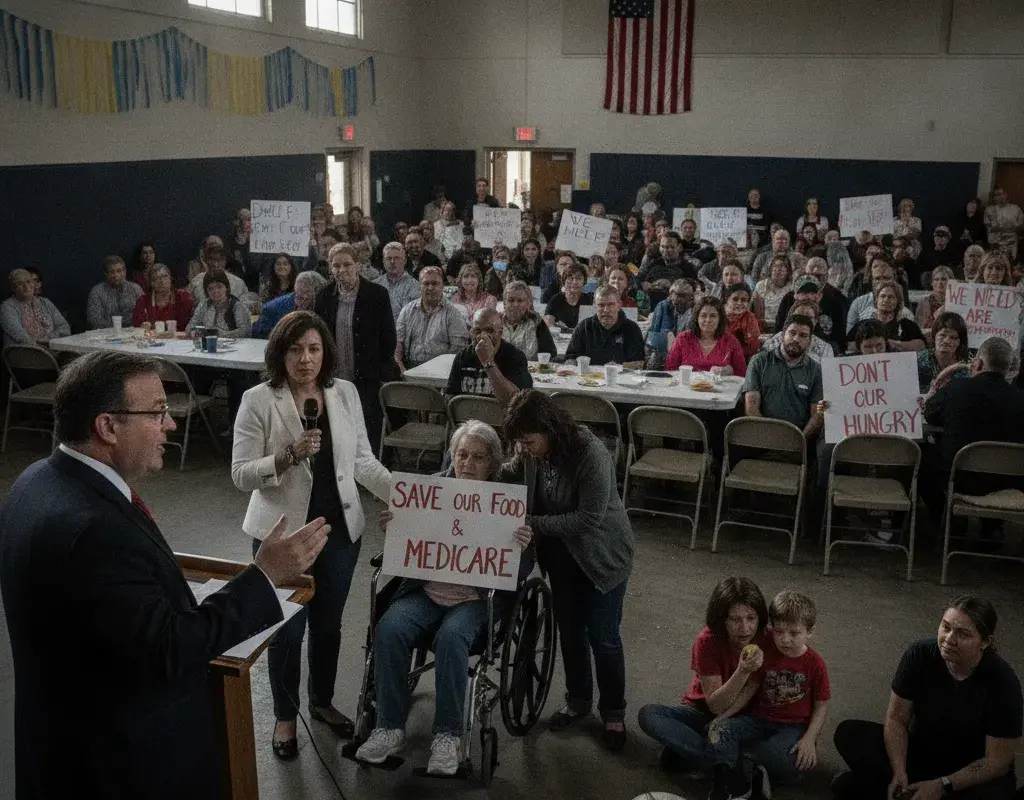
Governor JB Pritzker’s administration is preparing an aggressive push to convince the incoming Congress to restore critical food and healthcare benefits that were stripped away under previous federal policies. State officials argue that recent legislative changes enacted by the Trump administration have left thousands of Illinois residents without essential lifelines, making the restoration of these services a primary goal from the moment lawmakers are sworn in.
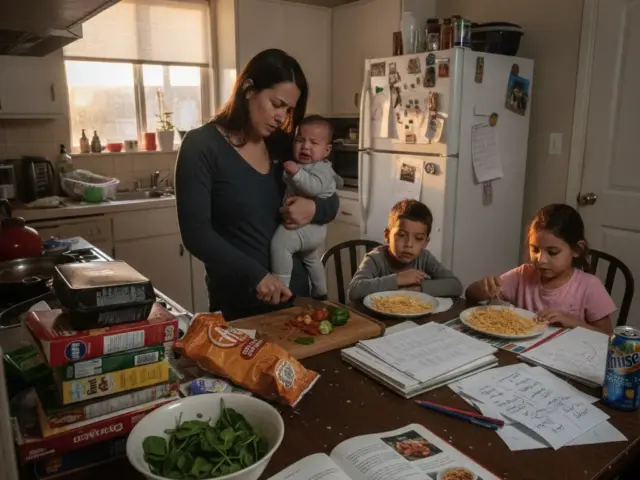
Grace Hou, the deputy governor of health and human services, highlighted the immediate human cost of these policy shifts. According to Hou, over 120,000 people in Illinois have already lost their Supplemental Nutrition Assistance Program benefits due to stricter eligibility requirements. She noted that these cuts directly impact families’ ability to put food on the table and described a growing crisis among children and the elderly who are now facing daily food insecurity.
The struggle extends beyond nutrition into basic medical care, with nearly 10,000 residents losing Medicaid coverage since October. Hou warned that further restrictions are slated for January, claiming that increased bureaucracy and red tape have made it unnecessarily difficult for eligible individuals to maintain their health insurance. The Governor’s office has developed a specific set of proposals they hope Congress will adopt immediately to bridge these gaps in care.
In response, the White House has defended its actions as part of a broader effort to eliminate waste, fraud, and abuse within government spending. A spokesperson stated that the administration’s approach ensures funding reaches those who truly need it while stopping criminals from exploiting broken systems. They further pointed toward new Medicare policies intended to lower prescription drug costs for seniors as evidence of their commitment to affordability.
Despite these conflicting narratives, Pritzker’s team remains focused on securing bipartisan support in Washington. While the White House frames its moves as necessary fiscal discipline, Illinois officials insist that the actual result has been a hardship for the most vulnerable citizens. The state continues to advocate for a reversal of these measures to ensure stability for low income households across Illinois.