For too long, the conversation surrounding nutrition has been framed as a series of unfortunate trade offs where consumers must choose between something that tastes good and something that is actually good for them. This outdated binary was the central theme of a recent TIME100 Talks event in New York City, where a panel of chefs and industry leaders argued that health and pleasure are not mutually exclusive. Cecile Beliot Zind, CEO of Bel Group, suggested that the primary obstacle to progress is an industry tendency to oppose ideas rather than combine them. She argued that for sustainable food to truly scale globally, it must be simultaneously nutritious, accessible, and deeply desirable.
Renowned chefs Marcus Samuelsson and Vikas Khanna echoed this sentiment, noting that the role of the modern culinary artist is to prove that wellness does not require a sacrifice of flavor or authenticity. Khanna pointed out that many ethnic cuisines, particularly Indian cooking rooted in Ayurvedic principles, are naturally sustainable and healthy. He noted that his work often involves stripping away unnecessary additives like heavy creams to return dishes to their home cooked roots, proving that authenticity often aligns with health. Samuelsson urged the public to embrace their own curiosity in the kitchen, insisting that learning to cook is the most direct path toward feeling better physically and emotionally.
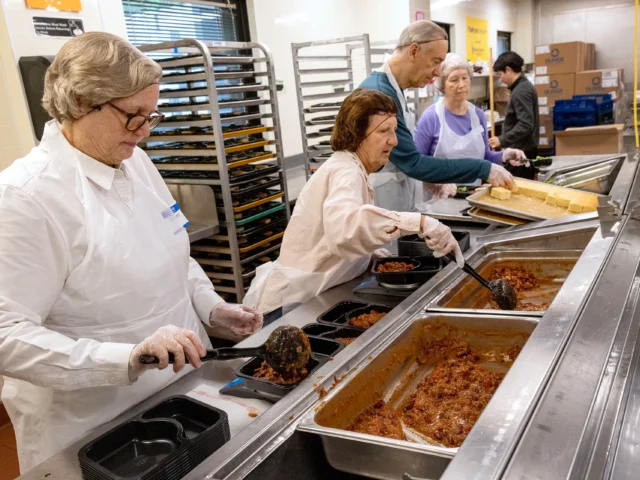
However, the discussion shifted toward a sobering reality when Ertharin Cousin, head of Food Systems for the Future, highlighted the systemic barriers preventing millions from accessing this ideal. While learning to cook is empowering, Cousin reminded the audience that many low income families lack basic necessities like reliable refrigeration or stoves. She observed a dangerous paradox in current global food systems where we produce plenty of calories but fail to provide enough nutrient dense food. This imbalance has made processed foods filled with empty calories affordable and ubiquitous while leaving fresh, diverse diets out of reach for those who need them most.
Ultimately, the panel concluded that transforming our relationship with food requires a collective effort involving policymakers, advertisers, and manufacturers alike. The goal is not to erase indulgence entirely but to shift it away from the center of the plate so that nourishment can take precedence without losing its soul. By reclaiming food as a source of joy and cultural connection rather than just fuel or medicine, experts believe we can build a system where thriving is an option for everyone regardless of their socioeconomic status.